
Refill Smarter, Live Safer at Home

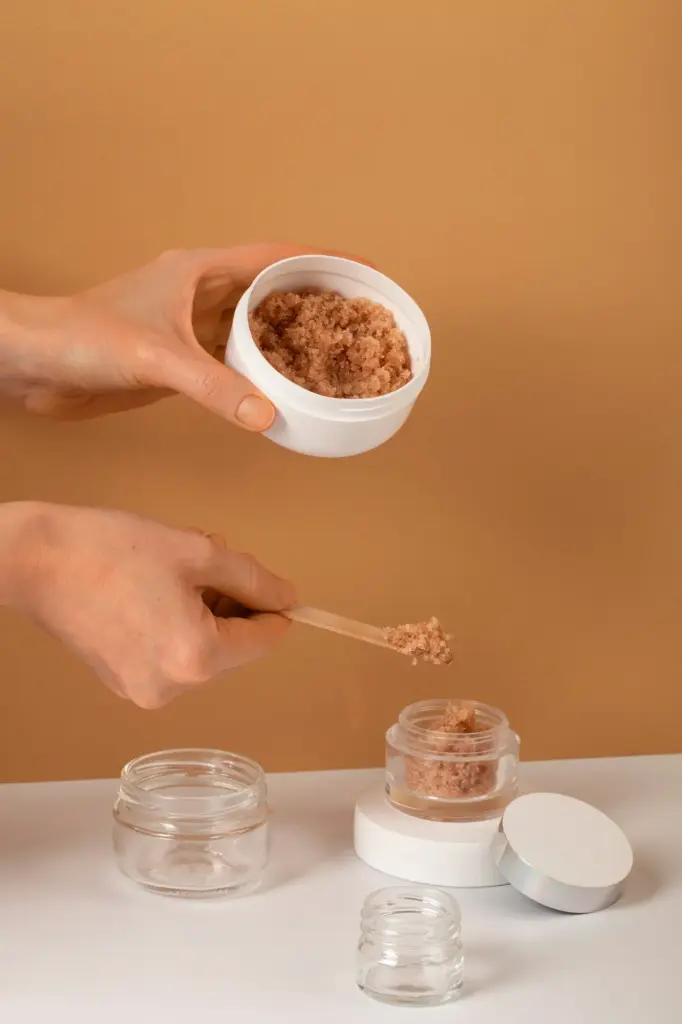
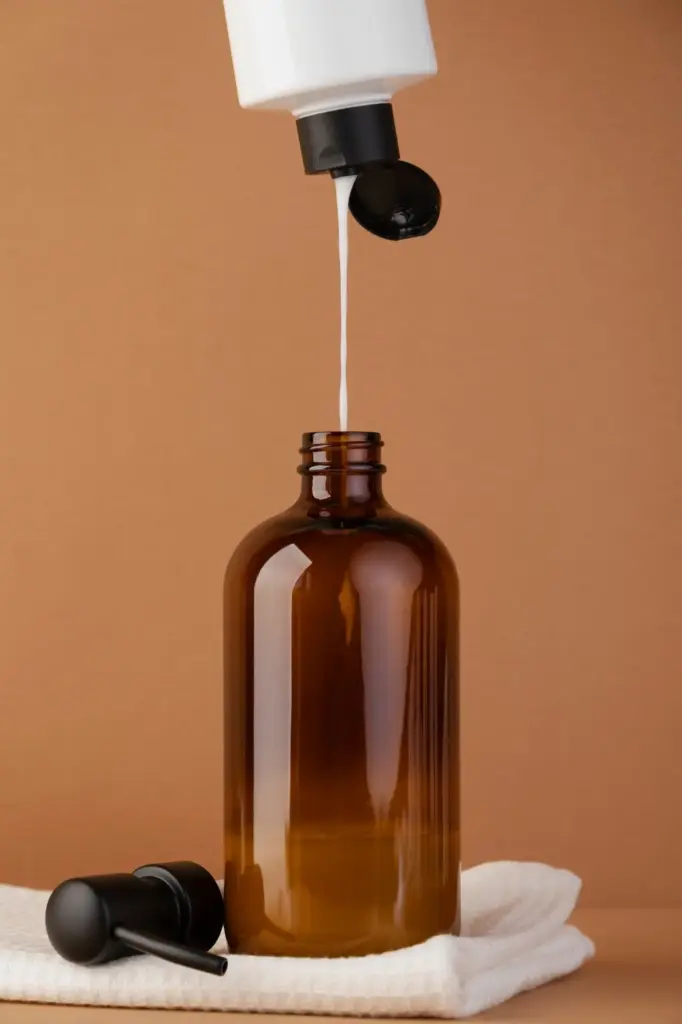
Today we dive into hygiene and safety tips for refilling cleaning and personal care containers at home, blending practical steps, science-backed habits, and small rituals that prevent cross-contamination, protect families, reduce waste, and keep every refill calm, confident, and kind to the planet. You’ll learn how to set up a tidy station, sanitize effectively, label clearly, and handle concentrates responsibly, so your routines feel effortless, satisfying, and reliably safe every single time.

Setting Up a Pristine Refill Station

Choose the Right Surface

Select a non-porous countertop or a washable mat that resists stains and tolerates mild disinfectants. Avoid wooden or unfinished surfaces that can harbor residue. If space is tight, a portable tray works beautifully and encourages you to reset after each session. Good lighting helps spot residue, and a small fan or open window improves air exchange, making every careful pour and wipe both safer and pleasantly routine.

Organize Tools Before You Start

Gather funnels, measuring cups, a small scale if needed, clean microfiber cloths, nitrile gloves, and separate brushes for bottle interiors and caps. Laying everything out in advance prevents rushed decisions and accidental mix-ups. Keep a container of warm, soapy water for quick pre-rinses, plus a clean towel for drying. When your tools are ready and clearly assigned, the whole process slows down in a focused, safe way that you can confidently repeat.

Protect Family Zones

Create gentle boundaries between your refill area and everyday living spaces, especially where children and pets wander. Use a baby gate or close a door during active refills, then thoroughly wipe surfaces before reopening the space. Store wet tools out of reach while they air-dry. A few minutes of planned separation maintains calm and prevents curious hands from exploring equipment, while still allowing your home to feel relaxed, welcoming, and thoughtfully cared for.

Choosing Containers That Protect What You Love

The container is as important as what goes inside. Favor materials that match the product: HDPE or PET for many cleaners, glass for stable personal care liquids, and stainless for durability. Check compatibility charts and resin codes, and avoid reusing food jars for chemical solutions. Inspect for hairline cracks, clouding, or odor ghosting that can compromise safety. A well-matched container preserves formula integrity, keeps pumps and sprayers working smoothly, and safeguards everyone using the product.

Sanitizing Methods That Actually Work

True cleanliness is a sequence: wash, rinse, sanitize, air-dry. Warm, soapy water lifts residue; a thorough rinse removes suds; a suitable sanitizer finishes the job; and patient air-drying prevents recontamination. Match the method to the container material and the product it will hold. Always follow manufacturer guidance for concentrations and contact time. A little patience here pays off, creating bottles that welcome fresh formulas and support consistent, safe, and delightful daily use without lingering doubts.

Hot Water and Soap Still Win

Simple steps deliver dependable results. Use warm water with a quality dish soap, scrub neck threads and pump assemblies, and rinse until no slickness remains. A narrow brush reaches corners where biofilm can hide. This first stage removes the majority of grime and residue, making later sanitizing more effective. Familiar tools, steady hands, and a few extra seconds of attention create reliable cleanliness that you can feel and trust with every refill cycle.

Safe Use of Disinfectants

When you sanitize, choose a method compatible with your container and formula, and follow manufacturer instructions for dilution and contact time. Never mix chemicals, and keep bleach away from ammonia or acids. Consider 70% isopropyl alcohol for some personal care packaging, or a properly diluted chlorine solution when appropriate. Ventilate well, wear gloves if needed, and label any prepared sanitizer clearly. This careful approach ensures real microbial reduction without creating new hazards in your home.
Refill Techniques to Prevent Cross-Contamination
Technique transforms safety from rule to habit. Work with one product at a time, and do not top off; instead, empty, clean, and sanitize before refilling. Dedicated funnels for categories reduce risk, while measured pours limit splashes. Keep a towel under the spout, steady your hand, and pause if someone interrupts. Tiny rituals—like wiping threads before closing—stop residue from creeping into caps and keep your careful work consistent, predictable, and pleasantly satisfying every week.

Labeling, Dating, and Safe Storage Habits
Clear, Durable Labels

Choose labels that tolerate moisture and handling, and write with a permanent marker that will not smudge. Note the full product name, any hazard icons the manufacturer recommends, and simple instructions for everyday use. If you change formulas, replace the label immediately. Legibility is a safety tool: it guides helpers, prevents accidental misuse, and keeps your future self from wondering what’s inside when life gets busy and refills pile up unexpectedly.

Track Batches and Dates

Dating your refills builds accountability and helps you notice patterns. Add the prep date and, if helpful, a gentle reminder for when to remake a solution or retire a container. Batch notes support troubleshooting if performance dips later. This simple record-keeping turns your cabinet into a friendly reference library, making it easier to teach others in the household and maintain consistent results that feel reassuring, predictable, and pleasantly low-effort over time.

Store Like a Pro

Treat storage as the final protective step. Keep containers upright, away from heat sources, direct sunlight, and food shelves. Use childproof latches where curious hands explore and ensure ventilation for anything with stronger fumes. Group similar products so routines stay intuitive, and avoid stacking heavy bottles on fragile sprayers. Thoughtful storage doesn’t take long, yet it preserves product quality, reduces accidents, and makes every future refill session calmer, faster, and much more enjoyable.

Safe Handling of Concentrates and Bulk Refills

Concentrates are powerful allies when handled with respect. Read instructions fully, prepare protective gear, and measure precisely. Work slowly, ventilate the area, and avoid breathing aerosols. Never mix incompatible chemicals, and keep acids and ammonia away from chlorine solutions. If unsure, consult manufacturer guidance and stick with the simplest safe path. This mindful approach delivers strong performance, less packaging waste, and a sense of mastery that turns your refill station into a quietly reliable cornerstone.

Personal Protective Basics

Simple protective choices go a long way. Keep nitrile gloves, eye protection, and a lightweight apron within reach for concentrate handling. Ventilate with a window or fan and avoid crowded times when distractions multiply. If a spill happens, clean it immediately with appropriate materials and dispose responsibly. Protection turns unexpected moments into manageable ones, preserving confidence and comfort while keeping your focus on accuracy, calm movements, and the reassuring rhythm of safe home care.

Measure With Precision

Accuracy keeps formulas effective and safe. Use dedicated measuring cups, syringes, or a small kitchen scale reserved only for household products, never for food. Read meniscus lines at eye level, and double-check the ratio before pouring. Record your dilution for future repeats. Precise measurement reduces waste, prevents overly strong mixtures, and maintains the gentle balance that your skin, surfaces, and appliances appreciate during daily life, cleaning sprees, and quick tidy-ups between busier days.

Sustainable Routines Without Compromising Safety

Refilling reduces waste and supports a calmer home, but sustainability thrives when paired with consistent safety. Build routines you actually enjoy: a monthly cleaning of tools, a seasonal container audit, and quick label refreshes. Share what works with friends, learn from their ideas, and keep a small wish list for incremental upgrades. When care becomes community, safety becomes second nature. Tell us your favorite refill rituals and what you want to explore together next.
Rulunepukure
Privacy Overview

This website uses cookies so that we can provide you with the best user experience possible. Cookie information is stored in your browser and performs functions such as recognising you when you return to our website and helping our team to understand which sections of the website you find most interesting and useful.