Smarter Household Cleaning Choices: Pouches, Concentrates, or Tablets?

Today, we compare refill pouches, concentrates, and tablet cleaners for everyday household use, exploring how each format affects your budget, storage space, environmental footprint, and cleaning results. Expect practical guidance, lived experiences, and honest trade-offs so you can confidently choose what fits your routines, values, and home setup.

Understanding Formats: What Changes When You Remove the Water

Refill Pouches Explained

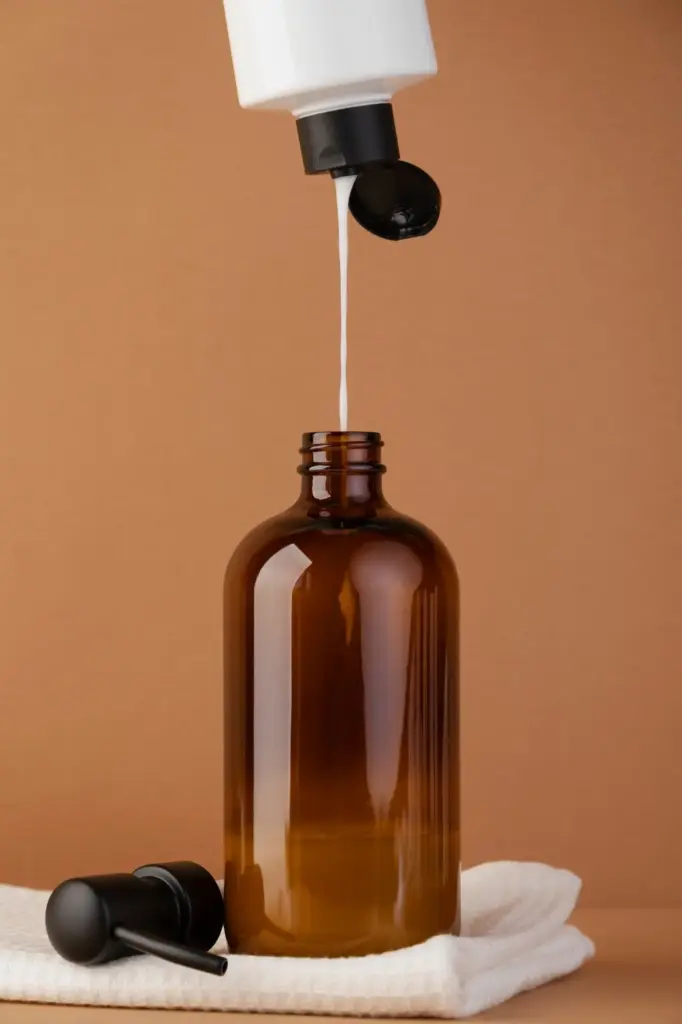
Refill pouches usually contain a ready-to-use formula or a simplified refill that pours directly into your existing bottle, reducing hard plastic while keeping usage simple. They minimize learning curves, but still ship water and remain bulkier than concentrates or tablets, making them convenient yet not the lightest or leanest option for long-term storage and travel.

Concentrates Demystified

Concentrates arrive as potent liquids that you dilute at home, transforming a small vial into several full bottles. This reduces weight and packaging dramatically, but requires accurate measuring and a few minutes of setup. With clear instructions and labeled bottles, the process becomes routine, offering strong value, flexible strength, and less clutter without compromising dependable cleaning.

Tablet Cleaners in Focus

Tablets replace liquid with compact solids that dissolve in tap water, making shipping lighter and storage almost effortless. They are tidy, pre-measured, and travel friendly. Dissolution time and water temperature can affect mixing, yet once dissolved, they deliver consistent results while keeping extra plastic, messy spills, and bulky containers out of your cupboard.

Environmental Impact Beyond the Label
True environmental performance comes from a product’s entire life cycle: manufacturing inputs, packaging materials, transport emissions, in-use energy and water needs, and end-of-life options. By removing shipped water, concentrates and tablets often lower freight burdens, while refill pouches reduce rigid plastic. Local recycling access, refill infrastructure, and your habits ultimately determine the real-world footprint.

Cost and Value Over Time

Budgets stretch further when you evaluate price per use rather than sticker price. Concentrates and tablets often win long-term, especially when reusable bottles replace repeated purchases. Pouches reduce plastic and keep convenience high, though shipping water can limit savings. Smart dosing, bulk buys, and seasonal promotions influence total cost far more than a single receipt snapshot.

Price Per Use and Hidden Costs

Compare the number of refills each option provides, the durability of spray nozzles, and any accessories you might need. Concentrates and tablets typically lower per-use costs, but consider measuring tools, labeled bottles, and lost product from spills. Pouches minimize extras yet may cost more per clean because you continue purchasing liquid volume and shipping added water weight.

Dosing Consistency and Waste

Pre-measured tablets make dosing almost effortless, limiting waste and surprise expenses. Concentrates can match that efficiency with clear marks on bottles or measuring caps. Pouches deliver simplicity but can lead to occasional overpours. Establishing consistent routines, labeling containers, and following dilution charts protect your wallet while ensuring performance remains steady from the first spray to the last drop.

Longevity, Storage, and Refill Cadence

A small shelf of concentrates or tablets can yield months of cleaning, reducing emergency runs to the store. Pouches take more space but maintain straightforward refills. Evaluate your household’s pace: busy families may prefer visible stock, while minimalists enjoy compact backups. Plan reorders with a recurring schedule to balance cash flow, convenience, and reliable availability.

Performance Across Surfaces and Tasks
Grease, limescale, soap scum, and fingerprints demand different strengths, yet all three formats can deliver excellent results when formulas are matched to tasks. Water hardness, dwell time, and correct dilution affect outcomes. With patient application, clean microfiber cloths, and consistent technique, pouches, concentrates, and tablets can all leave kitchens and bathrooms genuinely fresh and streak-free.

Practicality, Safety, and Convenience at Home

Daily life rewards formats that fit smoothly into busy schedules. Pouches deliver quick top-ups with minimal fuss. Concentrates demand a short mixing moment but keep backups tiny. Tablets remove measuring entirely, though dissolution takes a minute. Child-resistant closures, clear labels, and organized storage all support safe use, reliable results, and peaceful, spill-free refilling sessions.

Stories from Real Homes

Evidence lands best when paired with lived experience. We gathered observations from families, roommates, and sustainability clubs that tracked costs, space savings, and cleaning results. Their reflections reveal how preferences evolve with practice, how small routines reduce waste, and how simple labels, spare sprayers, and helpful reminders turn good intentions into lasting, satisfying daily habits.

How to Choose and Make the Switch

The most successful transitions begin with small trials, clear labels, and honest priorities. Identify the surfaces you clean most, your storage limits, and whether you prefer instant use or tiny backups that last months. Start with one room, gather feedback from everyone at home, then scale your chosen approach with confidence and supportive, repeatable routines.
Rulunepukure
Privacy Overview

This website uses cookies so that we can provide you with the best user experience possible. Cookie information is stored in your browser and performs functions such as recognising you when you return to our website and helping our team to understand which sections of the website you find most interesting and useful.